Dr. Selemani Mziray — CEO & Founder
Piezo-Pico to Femtotechnology Sensors Inc.
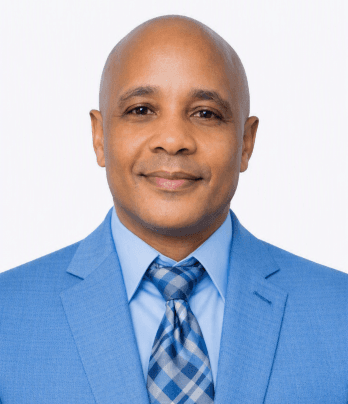
Dr. Selemani Mziray is a full-stack API engineer, researcher, and founder working at the intersection of advanced biosensing and AI-driven software development. His learning and professional development include training in AI and deep learning through DeepLearning.AI on Coursera, as well as practical study in data analysis, Python, machine-learning integration, automation, and generative AI.
He applies this technical foundation to API architecture, machine-learning workflows, and intelligent software systems. This work supports his broader goal of connecting scientific sensor technology with practical digital tools through Piezo-Pico to Femtotechnology Sensors Inc.
Dr. Mziray is developing software and machine-learning workflows to work alongside his patented quartz crystal microbalance (QCM) biosensor technology. His work explores how sensor measurements and computational methods can support the analysis and classification of biological signals. He also developed the Full-Stack API Engineering course through the company’s API ecosystem to support training in modern, AI-assisted engineering practices.
His profile brings together applied physics, materials science, nanosystem engineering, biosensor research, and software development. This interdisciplinary background informs his interest in technology for healthcare research, early-warning applications, infectious-disease surveillance, and institutional systems.
Scientific Innovation & Patented Biosensing Technology
US Patent 10,830,738 B2 — High Q-Factor AT-Cut Quartz Crystal Microbalance Femtogram Mass Sensor
View Patent PDF
US Patent Application 2020/0173898 A1— Process for Detecting Electrolytes & Biomarkers with Femtogram Resolution
View Patent Application PDF
These patent records describe QCM sensor approaches intended for sensitive measurement of biological and chemical indicators. They form part of the technical foundation for the company’s continuing exploration of biosensing applications and machine-learning tools.
Education and Professional Experience
Research Associate — University of Alberta
2008–2020
From 2008 to 2020, Dr. Mziray worked as a Research Associate at the University of Alberta, investigating sensor technologies with the potential to detect airborne infectious pathogens before exposure leads to infection. This work focused on the scientific challenge of identifying relevant biological signals early and advancing sensitive biosensing approaches for public-health applications.
His research interests connected sensor design, materials science, and biomarker detection. The intended applications included early recognition of indicators associated with cardiac health risks, including biomarkers relevant to heart failure, and the detection of viral indicators at an early stage. This research direction helped shape his continuing work in QCM biosensors and computational methods for interpreting sensor data.
Two key patent records associated with his biosensing innovation are presented in the section above: a granted US patent for a high Q-factor quartz crystal microbalance femtogram mass sensor and a US patent application concerning the detection of electrolytes and biomarkers with femtogram resolution. Together, these records illustrate the connection between his research background and his ongoing efforts to develop sensitive sensor technologies for biomedical applications.
Education and Certifications
DeepLearning.AI — Coursera (October 2025)
Certification in AI and Deep Learning, complementing his research background with contemporary approaches to artificial intelligence and machine learning.
Data Science Infinity (August 2025)
Certification in Data Analyst Specialist, supporting continued development in data analysis and evidence-informed technical work.
Northern Alberta Institute of Technology (NAIT), 2021–2024
Diploma in Nanosystem Engineering Technology, further developing his applied engineering knowledge in small-scale systems and technology.
Alabama A&M University, 2002–2007
Ph.D. in Applied Physics — Materials Science. This academic foundation supports his interdisciplinary work across materials, sensor technologies, and applied scientific research.